Comprehensive Mold Solutions
Mold Design & Engineering
DFM analysis, mold flow, tool design and trial validation — the engineering work that decides whether a tool earns its money.
Most tool problems are designed in, not built in
Warpage, short shots, sink marks, long cycles and ejection damage are usually visible in the design review long before they appear on the press. That is why we insist on a DFM report before any steel is ordered.
The report is written in plain language, with a suggested change and the consequence of not making it, so the decision stays with you.
- DFM report on draft, wall thickness, ribs, bosses and gates
- Mold flow analysis for fill, packing, cooling and warpage
- Full 2D/3D tool design with hot runner and standard component selection
- Trial validation with dimensional layout and process window
What the engineering package includes

DFM analysis
Practical comments on geometry, tolerances, draft and material choice, with a risk rating for each item.
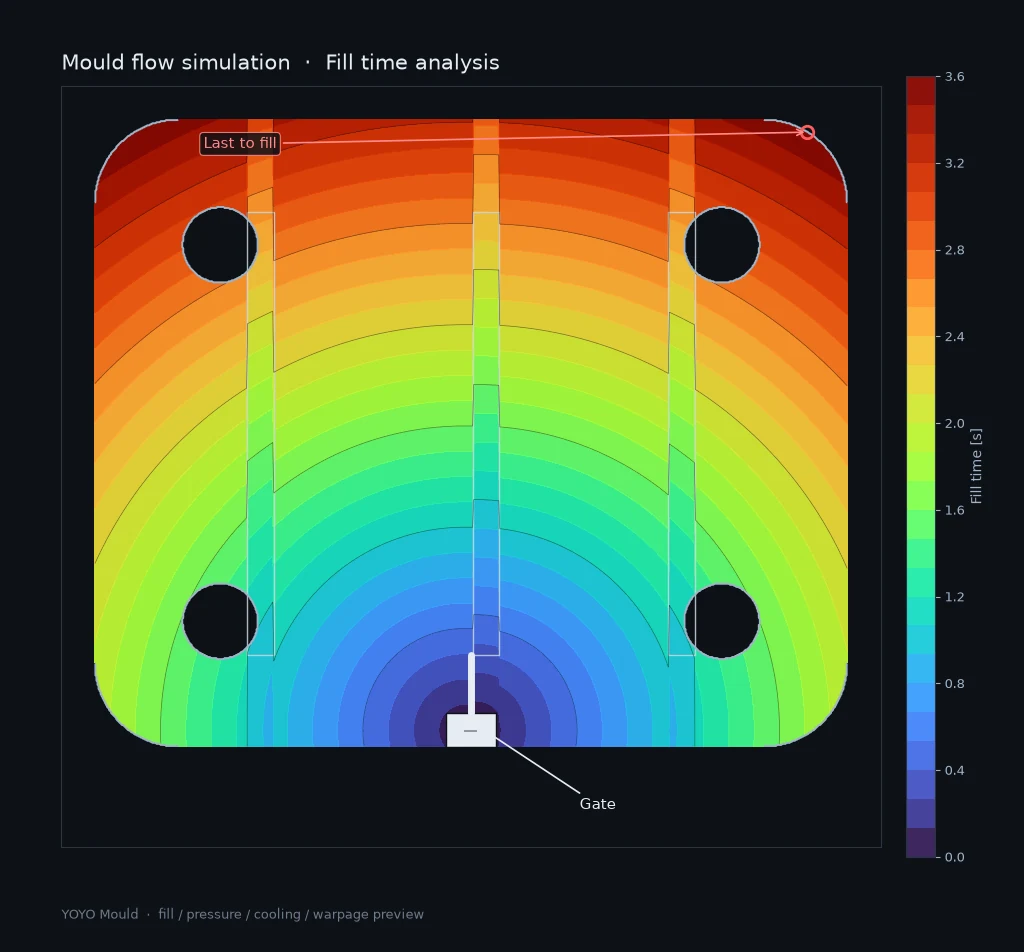
Mold flow simulation
Fill, pressure, temperature, cooling and warpage prediction for critical parts.
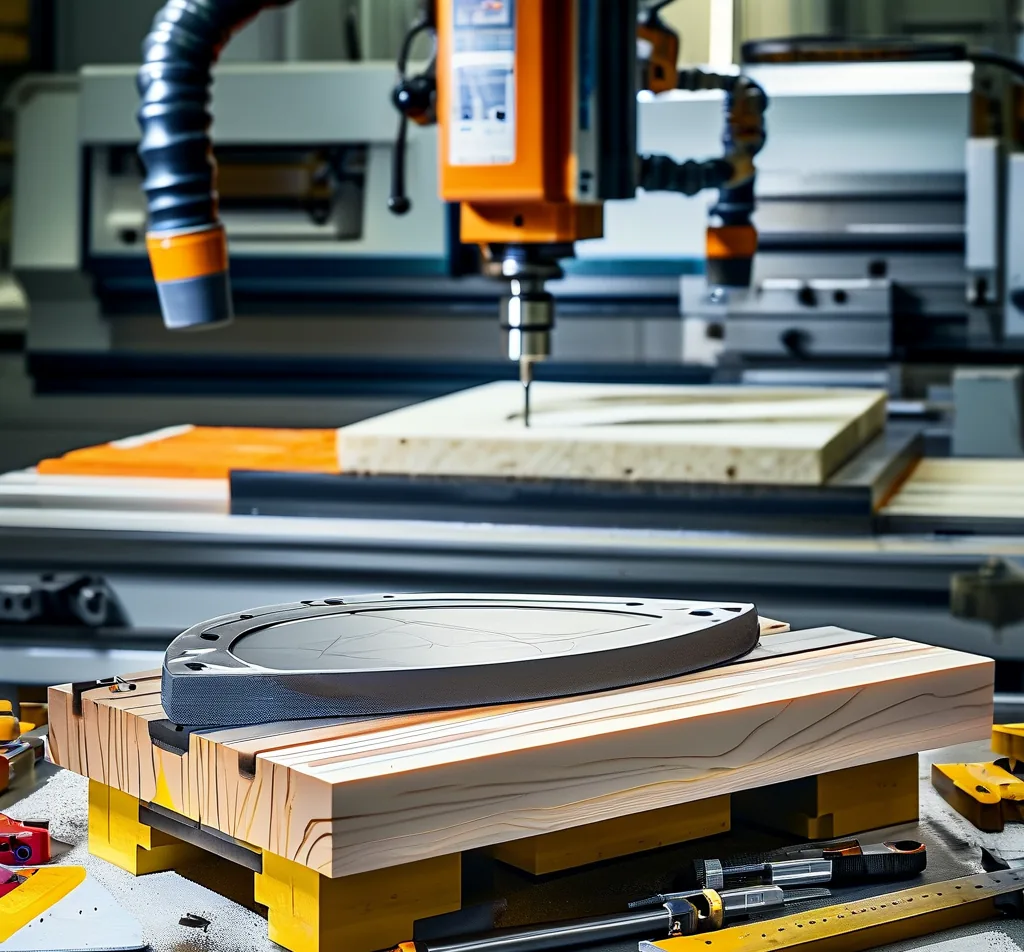
Tool design
Complete tool drawings including cooling circuits, ejection, slides, lifters and hot runner layout.
Trial validation
T1 and T2 trials with sample reports, dimensional layout and a documented process window.
Deliverables per stage
| Stage | What you receive |
|---|---|
| Design review | DFM report with suggested changes, risk rating and quoting assumptions |
| Mold flow | Fill, packing and cooling results for agreed critical regions |
| Tool design | 2D assembly and detail drawings, 3D model, bill of materials |
| Trial | Samples, first article inspection report, dimensional layout, process sheet |
| Handover | Tool record file, cooling and hydraulic schematics, spare parts list |
The engineering sequence
01
Data intake
3D data, 2D drawing, material specification and annual volume.
02
DFM and quoting
Comments issued with the quotation, so cost and design risk are reviewed together.
03
Tool design and approval
Design review meeting, drawing approval, then release to machining.
04
Trial and correction
T1 samples measured; corrections planned and executed with a documented change list.
05
Validation and handover
Capability check on critical dimensions, tool record file and maintenance plan.
Frequently asked questions
Do I need to supply 3D data?
Ideally yes. Where only a sample part exists we can reverse-engineer the model, but the internal geometry is then an assumption and we will say so in writing.
Who owns the tool design?
You do. Tool drawings and 3D data are released to you, along with the tool record file at handover.
Can you work to our drawing standard?
Yes. We can issue drawings in your format and datum scheme, or in the DIN/ISO convention we use by default — whichever your quality system requires.
What happens if trial parts are out of tolerance?
Corrections are planned against the measured data, with the change list agreed before any steel is altered. Correction rounds are part of the tooling programme, not an extra purchase.
Related services
Plastic Injection Molding · CNC Machining & Prototyping · Secondary Operations · Die Casting · Final Assembly & Packaging
Learn more about YOYO Mould, or send us your drawings for a quotation.
Send your part data for a free DFM review
We will send back comments, a risk list and a tooling quotation — usually within two working days.