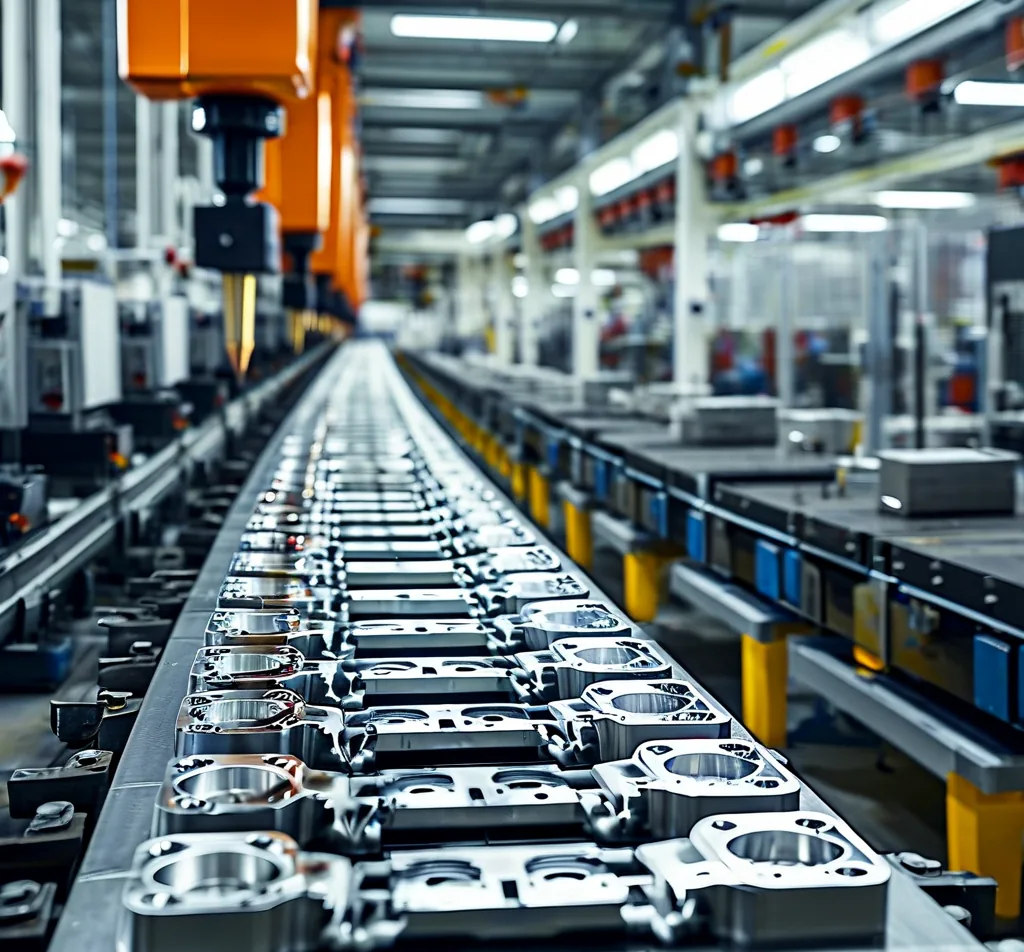
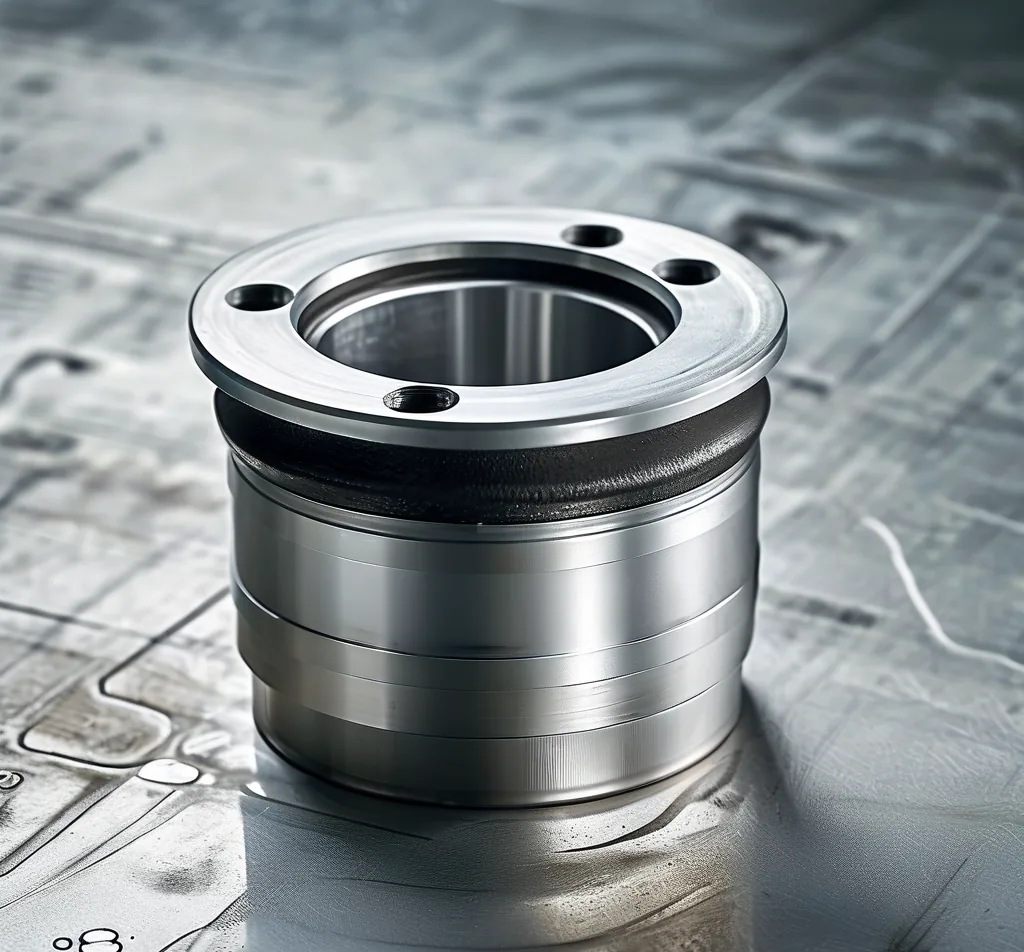
Comprehensive Mold Solutions

Aluminium Die Casting & Tooling

Die design, casting, trimming and machining for aluminium and zinc components, from prototype quantities to production.

Cast shapes, machined tolerances

Die casting gives you complex aluminium or zinc geometry in one shot, at a cost per part that machining cannot match in volume. The engineering effort goes into the die design: gate position, runner layout, cooling and ejection decide whether the casting is sound and whether the cycle is short.

We design and build the die, run the trials and can machine the casting to final tolerances if you need finished components rather than raw castings.

  • Aluminium and zinc die casting, hot and cold chamber
  • Die design and thermal layout in-house
  • X-ray and pressure testing for structural parts
  • CNC finishing, drilling, tapping and surface treatment
Volume production of cast components

Casting capabilities

Cast aluminium automotive housing

Aluminium castings

Structural and cosmetic castings for automotive, power tool and industrial housings.
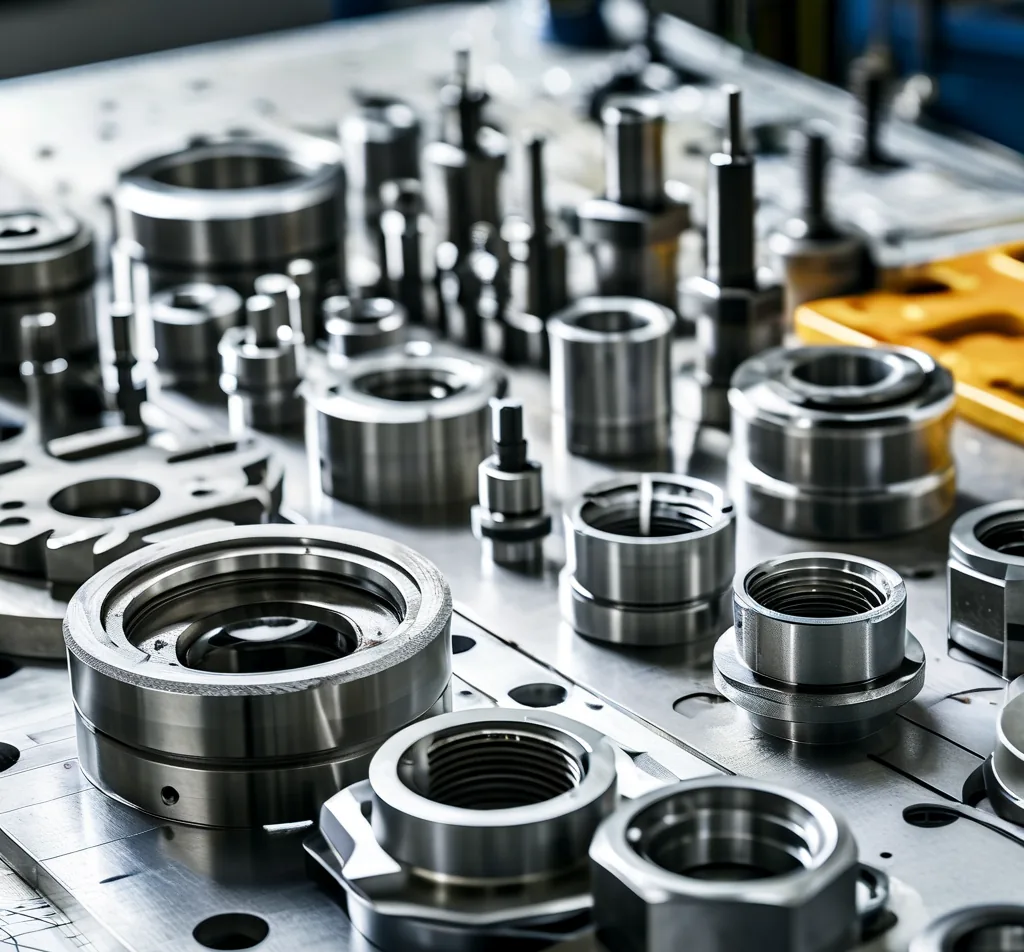
Machined precision cast component

Zinc castings

Small, thin-walled, high-accuracy parts where surface finish and detail matter.
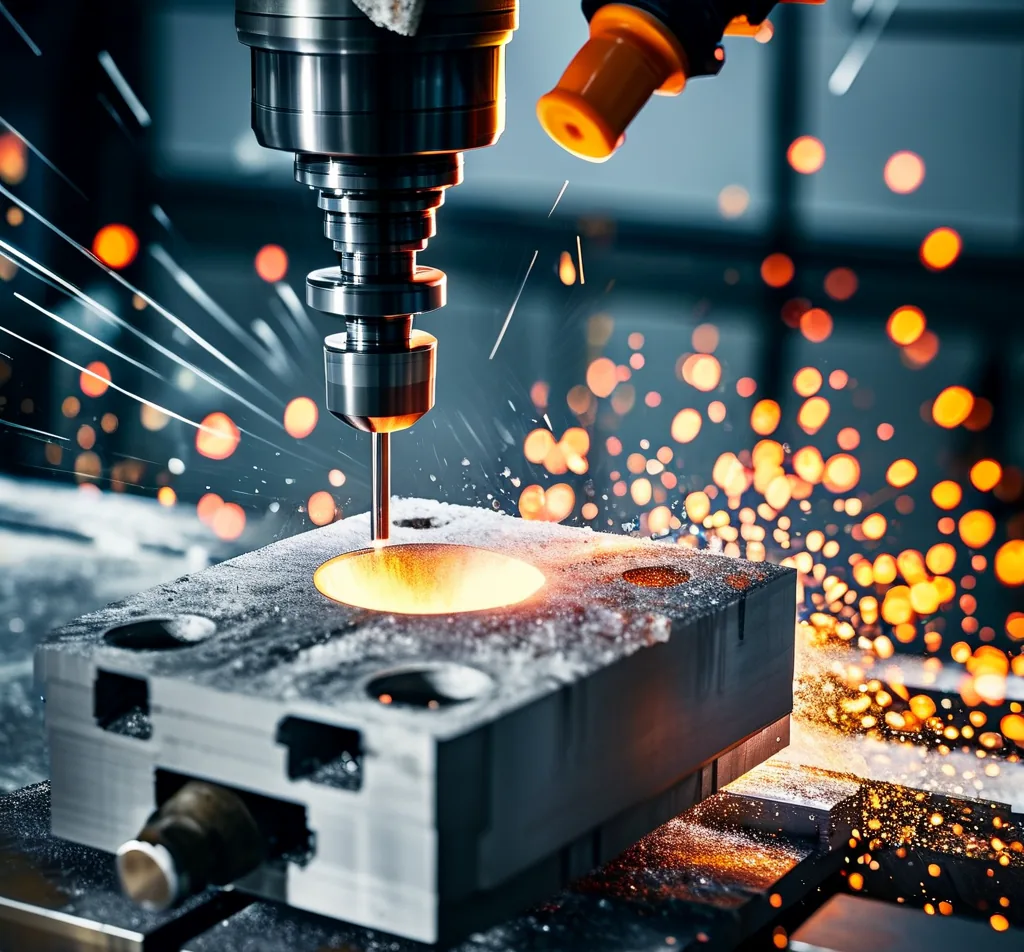
Inspection of a die cast part

Machining after casting

Facing, boring, drilling, tapping and thread milling to bring castings to final tolerance.
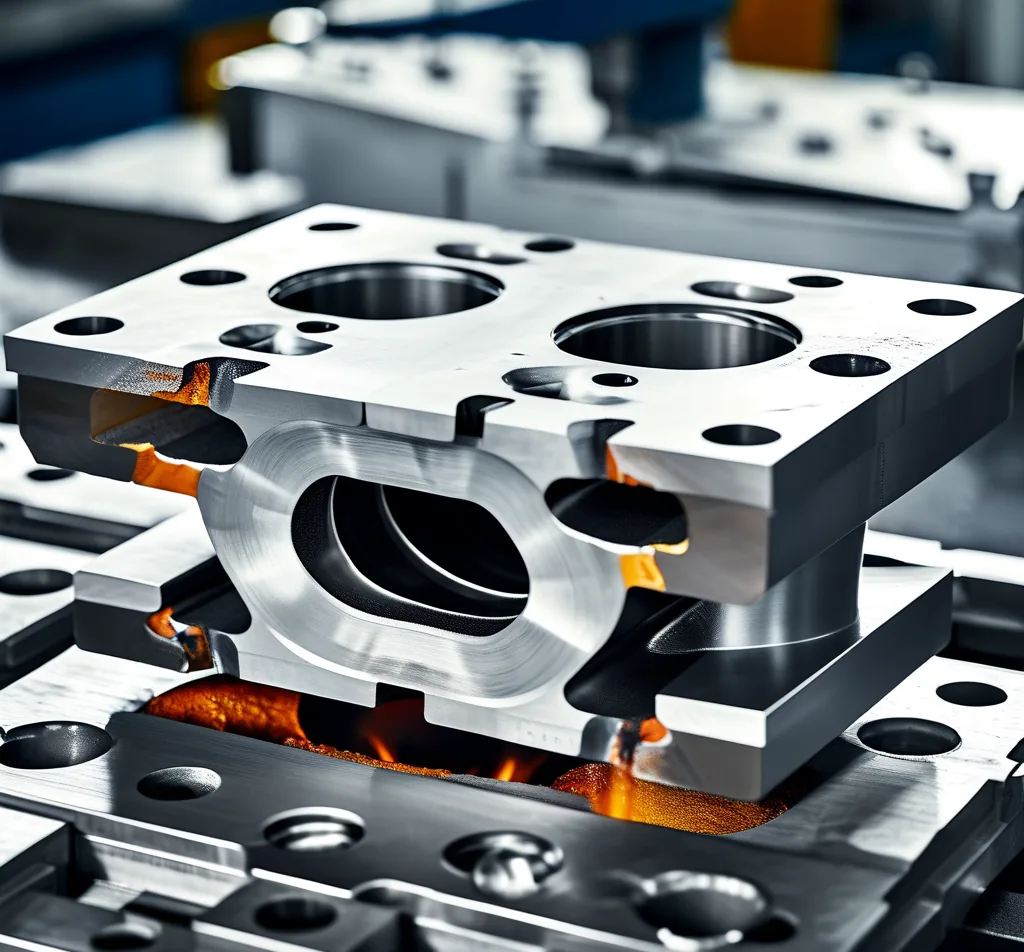
Die with multiple cavities

Dies and tooling

Single and multi-cavity dies, with spare cores and inserts so maintenance does not stop production.

Typical process window

ParameterRange
MaterialsADC12, A380, A360, ZAMAK 3 and 5
Part weight50 g to 8 kg (aluminium)
Wall thicknessTypically 1.5-4 mm, subject to flow analysis
Die lead time35-60 days depending on complexity
As-cast tolerancePer GB/T 6414 or your drawing standard
FinishingSand blasting, shot blasting, powder coating, anodising, machining

How a casting project runs

01

Feasibility and quoting

We review wall thickness, draft, radii and machining allowance and confirm the die concept.

02

Die design

Runner, gate, overflow, cooling and ejection layout, plus thermal balance analysis.

03

Die manufacture and trial

Tool build, first castings, X-ray or sectioning where the part is structural.

04

Validation

Dimensional and visual approval, then process parameters frozen for production.

05

Production and finishing

Casting with in-process checks, followed by trimming, machining and surface treatment.

Frequently asked questions

How many parts do I need before die casting makes sense?

It depends on part size, but die casting normally beats machining from solid once annual volume reaches the low thousands. Send the drawing and the volume and we will compare both routes.

Can you supply machined, finished castings?

Yes — casting, trimming, machining, surface treatment and inspection can all be delivered as a finished part, which removes the logistics of moving castings between suppliers.

How do you control porosity?

Through die design first: gate position, runner and overflow layout, thermal balance and venting. X-ray or leak testing can be added where the part is safety-related.

What tooling is needed besides the die?

Usually trimming fixtures, machining fixtures and gauges. They are quoted with the die so the full programme cost is visible up front.

Send your casting and we will quote the die and the part

Include the annual volume, the alloy and any machining requirements — we will come back with both the tooling and the piece price.

Scroll to Top