Capability

Mold Types and Tooling Options

Two-plate, three-plate, hot runner, multi-cavity, stack and two-shot tooling – and how the right one is chosen for your part and your volume.

Tool types we build

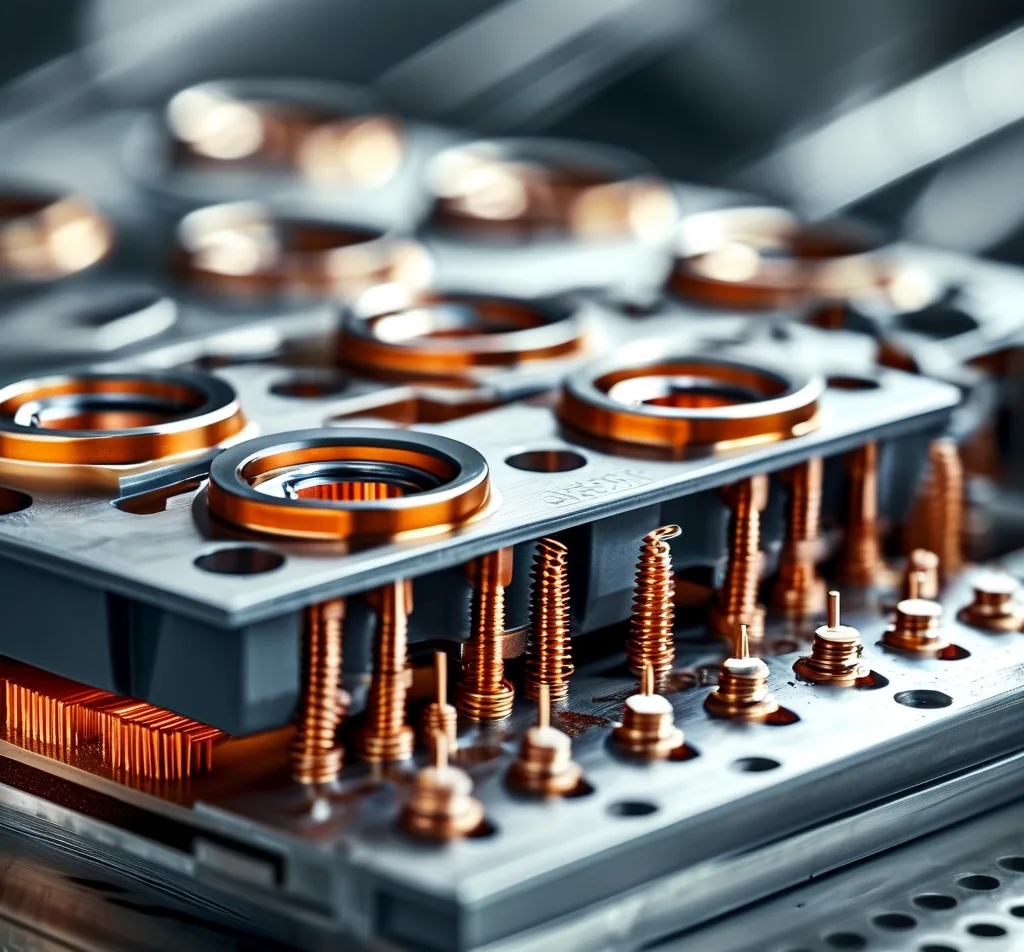
Hot runner manifold with heated nozzles

Hot runner systems

No runner to recycle, a shorter cycle and better cavity balance. A hot runner pays for itself as soon as the annual volume justifies the higher tool cost.
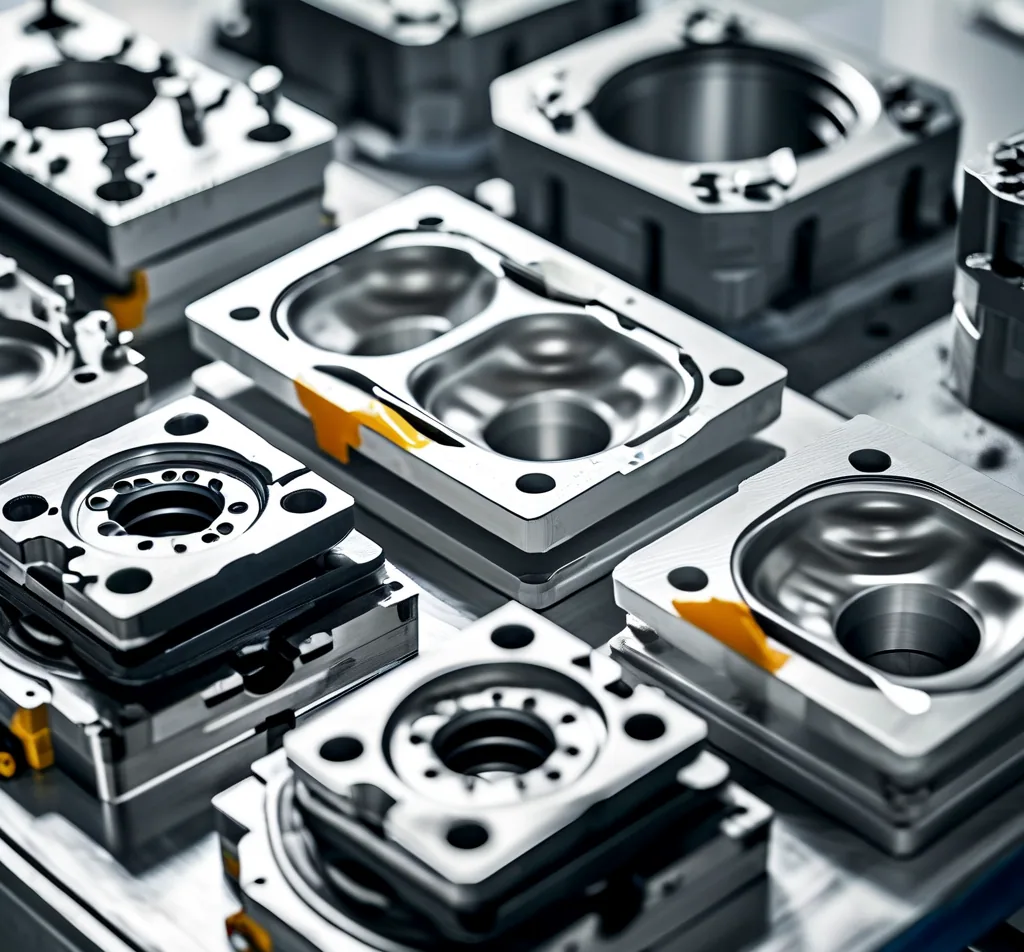
Multi cavity mold insert with polished cavities

Multi-cavity and family tools

Several copies of one part, or several parts of the same material, in one tool. The cavity count follows your annual volume - not a catalogue.
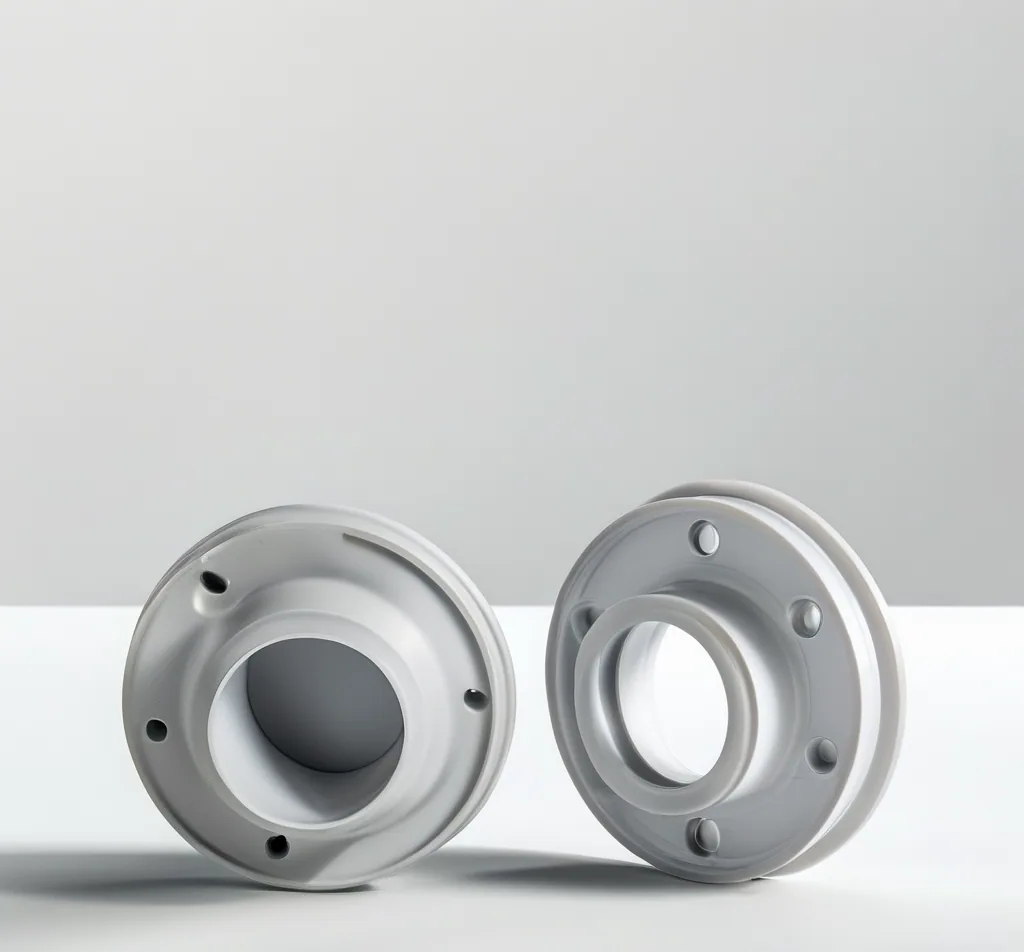
Two shot molded part with hard body and soft overmolded grip

Two-shot and insert molding

Hard and soft material in a single cycle, or metal inserts molded directly into the part: fewer assembly steps and a stronger joint.

Choosing between them

Tool typeBest whenTrade-off
Two-plate, cold runnerSimple geometry, low to medium volumeRunner waste; gate mark on the part
Three-plateThe gate must be on the top face, or the part needs a flat surfaceLonger cycle, more maintenance points
Hot runnerHigher volume, tight cycle time, many cavitiesHigher tool cost; needs good temperature control
Multi-cavity / familySeveral parts with the same material and similar sizeEvery cavity has to be balanced and maintained
Stack mouldVery high volume with limited machine tonnageComplex mould base, careful maintenance
Two-shot / insertCombined materials, or metal inserts inside plasticSpecial machine and tooling, longer development

How the tool type is decided

Part and function review

What the part has to do, which surfaces are visible and which tolerances really matter – that decides more than the drawing alone.

Volume and cycle time

The annual quantity sets the cavity count, the runner system and the steel choice. A tool bought for a low volume is not economical at a high one.

Material and shrinkage

Shrinkage, flow length and glass content decide gate position and cooling layout, and whether a hot runner is sensible.

Tool design approval

You receive the tool layout, gate and ejection plan and cooling design for approval before any steel is cut.

Build, trial and iterate

Machining, spotting, trial and corrections, documented at every stage, with samples until the part meets the drawing and the cosmetic requirement.

Frequently asked questions

How many cavities should a tool have?

It follows the annual volume and the machine that will run it. We normally compare two or three cavity layouts against cycle time and tool cost, and let you choose.

When is a hot runner worth the extra cost?

When cycle time, runner waste and cavity balance matter – usually at higher volumes or with many cavities. At low volume a cold runner is normally cheaper overall.

Can a tool be upgraded later?

Yes, and the design allows for it: inserts can be added to increase the cavity count, or a hot runner manifold can be planned in from the start so the change stays simple.

Do you also build die casting dies and prototype tools?

We build aluminium die casting dies and prototype or bridge tooling in the same workshop, which shortens the route from sample part to serial production.

Not sure which tool type you need?

Send the part, the material and the annual quantity – we will recommend a tool type and explain the trade-offs before you commit.

Scroll to Top